Eduardo Galeano: Haiti, Occupied Country | Haïti, pays occupé | Haití, país ocupado | Haiti, país ocupado

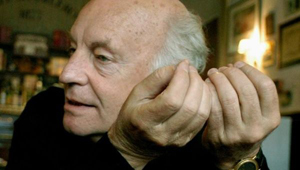
By Eduardo Galeano
Cuba Si
Spanish | Portuguese | English | French
Uruguayan writer and journalist Eduardo Galeano presented the following speech on Tuesday, September 27, 2011 at the National Library in Montevideo in a panel debate titled: “Haiti and Latin America.” Camille Chalmers and Jorge Coscia also participated in the panel (Página 12. Buenos Aires, September 28, 2011).

Haitian Girl Begging for Supplies After Earthquake
Consult any encyclopaedia.
Ask which was the first free country in America.
You will get the same answer: the United States.
But the United States declared its independence when it was a nation with 650,000 slaves who remained so for another century, and its first Constitution said that a black slave was equal to three fifths of a person.
And if you ask any encyclopaedia which was the first country to abolish slavery, you will always get the same answer: England.
But the first country that abolished slavery was not England, but Haiti, which is still expiating the sin of its dignity.
The black slaves of Haiti defeated Napoleon Bonaparte’s glorious army, and Europe never forgave the humiliation. For over a century and half, Haiti paid France a huge compensation for being guilty of its freedom, but not even that was enough.
This black insolence still hurts the world’s white masters.
Of all that, we know very little or nothing.
Haiti is an invisible country.
It only attained fame after the earthquake of January 2010 that killed more than 200,000 Haitians.
The tragedy put the country fleetingly in the media spotlight.
Haiti is not known by the talent of its artists: scrap magicians capable of transforming garbage into beauty. Nor is it known for its historical feats in the war against slavery and colonial oppression.
It is worth repeating it once again, so that the deaf can hear:
Haiti was the founding country of the independence of America and the first one that defeated slavery in the world.
It deserves much more than the fame sprung from its misfortunes.
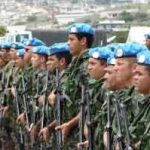
At present, the armies from several countries, including mine, are occupying Haiti.
How is this military invasion justified? By alleging that Haiti endangers the international security.
Nothing more.
Throughout the nineteenth century, Haiti’s example was a threat to the security of countries that still continued practicing slavery.
Thomas Jefferson has said:
“From Haiti came the pest of rebellion.”
In South Carolina, for example, the law allowed imprisonment of any black sailor while his ship was at dock, because of the risk that he could contaminate with the antislavery pest. And in Brazil, this pest was called “Haitianism.”
In the twentieth century, Haiti was invaded by the U.S. marines for being an insecure country for its foreign creditors. The invaders began by taking possession of the customs offices and giving the Haitian National Bank to the City Bank of New York. Since they were already there, they decided to stay for nineteen years.
The crossing of the border from the Dominican Republic to Haiti is named:
“The wrong step.”
Maybe the name is a call to arms:
Are you entering the black world, black magic, witchcraft?… Vodou, the religion that slaves brought from Africa and was nationalized in Haiti; it has no right to be called religion. From the point of view of proprietors of civilization, Vodou is a black thing, ignorance, backwardness, pure superstition. The Catholic church, with plenty of followers capable of selling the saints’ fingernails and the feathers of Archangel Gabriel, made possible that this superstition was officially forbidden in 1845, 1860, 1896, 1915, and 1942, without the town even noticing it.
But for a few years now, the evangelical sects have been in charge of the war against superstition in Haiti. Those sects come from the United States, a country that does not have 13th floors in its buildings, nor line 13 in its airplanes, and that is inhabited by civilized Christians who believe God made the world in one week.
In that country, the evangelical preacher Pat Robertson explained on television the earthquake of the year 2010. This shepherd of souls revealed that the Haitian blacks had won their independence from France with a “Voodoo” ceremony that invoked the Devil’s help from the depths of the Haitian jungle. The Devil who gave them their freedom sent the earthquake to collect.
How long will foreign soldiers remain in Haiti? They arrived to stabilize and help, but for seven years they’ve been eating their breakfast and destabilizing this country that does not want them.
The military occupation of Haiti is costing the United Nations more than eight hundred million dollars a year.
If the U.N. dedicated these funds to technical cooperation and social solidarity, Haitians could get a good boost to develop their creative energies. Then they would be saved from their armed saviors who have a certain tendency to violate, kill, and give fatal illnesses.
Haiti does not need anyone to come and multiply its misfortunes. Neither does it need anyone’s charity. Or as an ancient African proverb goes:
“The hand that gives is always above the hand that receives.”
But Haiti does need solidarity, doctors, schools, hospitals, and a true collaboration that makes possible the rebirth of its food sovereignty, killed by the International Monetary Fund, the World Bank, and other philanthropic societies.
For us, Latin Americans, that solidarity is a debt of gratitude: it will be the best way to say thanks to this little great nation that in 1804 opened for us, with its contagious example, the doors of freedom.
This article is dedicated to Guillermo Chifflet who was forced to resign from the Chamber of Deputies of Uruguay after he voted against sending soldiers to Haiti.
Eduardo Galeano is a Uruguayan journalist, writer and novelist. His works include Memoria del Fuego (Memory of Fire Trilogy, 1986) and Las Venas Abiertas de América Latina (Open Veins of Latin America, 1971) which have been translated into 20 languages. His books transcend orthodox genres and combine fiction, journalism, political analysis, and history. “I’m a writer obsessed with remembering, with remembering the past of America above all and above all that of Latin America, intimate land condemned to amnesia,” says Galeano.
Sources: CubaSi (English translation) |English version edited by Dady Chery, with addition of photo and biography for Haiti CheryPar Eduardo Galeano
El Correo via Mondialisation.ca
espagnol | portuguais | anglais | français
Traduit de l’espagnol par Estelle et Carlos Debiasi pour El Correo, Contrat Creative Commons.
Ce texte a été lu le 27 septembre 2011 par l’écrivain uruguayen Eduardo Galeano à la Bibliothèque Nationale de Buenos Aires dans le cadre de la table-ronde « Haïti et de la réponse latino-américaine », à laquelle ont participé aussi Camille Chalmers et Jorge Coscia (Página 12. Buenos Aires, le 28 septembre 2011).
Haitian Girl Begging for Supplies After Earthquake
Consultez n’importe quelle encyclopédie. Demandez quel a été le premier pays libre en Amérique. Vous recevrez toujours la même réponse : les États-Unis. Mais les États-Unis ont déclaré leur indépendance quand ils étaient une nation avec six cent cinquante mille esclaves, qui ont continué à être esclaves pendant un siècle, et dans leur première Constitution ils ont établi qu’un noir équivalait aux trois cinquièmes d’une personne.
Et si à n’importe encyclopédie vous demandez quel a été le premier pays qui a aboli l’esclavage, vous recevrez toujours la même réponse : l’Angleterre. Mais le premier pays qui a aboli l’esclavage n’a pas été l’Angleterre, mais Haïti, qui continue d’expier encore le péché de sa dignité.
Les esclaves noirs d’Haïti avaient battu la glorieuse armée de Napoléon Bonaparte et l’Europe n’a jamais pardonné cette humiliation. Haïti a payé à la France, pendant un siècle et demi, une indemnisation gigantesque, pour être coupable de sa liberté, mais, cela ne fut même pas suffisant. Cette insolence noire continue de faire mal aux maîtres blancs du monde.
* * *
De tout cela, nous savons peu ou rien.
Haïti est un pays invisible.
Il a seulement eu droit à la célébrité quand le tremblement de terre de 2010 a tué plus de deux cent mille Haïtiens.
La tragédie a fait que le pays a occupé, fugacement, le premier plan des médias.
Haïti ne se connaît pas par le talent de ses artistes, les magiciens de la ferraille capables de transformer les ordures en beauté, ni par ses exploits historiques dans la guerre contre l’esclavage et l’oppression coloniale.
Cela vaut la peine de le répéter encore une fois, pour que les sourds entendent : Haïti fut le pays fondateur de l’indépendance de l’Amérique et le premier qui a vaincu l’esclavage dans le monde.
Il mérite beaucoup plus que la notoriété née de ses malheurs.
* * *
Actuellement, les armées de quelques pays, y compris le mien, continuent d’occuper Haïti. Comment se justifie cette invasion militaire ? En affirmant alors qu’Haïti met en danger la sécurité internationale.
Rien de nouveau.
Tout le long du 19ème siècle, l’exemple d’Haïti a constitué une menace pour la sécurité des pays qui continuaient de pratiquer l’esclavage. Thomas Jefferson l’avait déjà dit : d’Haïti provenait la peste de la rébellion. En Caroline du Sud, par exemple, la loi permettait d’emprisonner tout marin noir, tandis que son bateau était au port, compte tenu du risque qu’il pût contaminer de la peste antiesclavagiste. Et au Brésil, cette peste s’appelait haïtianisme.
Déjà au 20ème siècle, Haïti avait été envahie par les Marines US, pour être un pays insécure pour ses créanciers étrangers. Les envahisseurs ont commencé par s’emparer des douanes et ils ont remis la Banque Nationale à la City Bank de New York. Et puisqu’ils y étaient, ils sont restés dix-neuf ans.
* * *
Le point de passage de la frontière entre la République Dominicaine et Haïti s’appelle « Le mauvais pas ».
Qui sait, le nom est un signal d’alarme : vous êtes en train d’entrer dans le monde noir, la magie noire, la sorcellerie…
Le vaudou, la religion que les esclaves ont apportée d’Afrique et qui s’est fait naturaliser en Haïti, ne mérite pas de s’appeler religion. Du point de vue des propriétaires de la Civilisation, le vaudou est chose de noirs, d’ignorance, de retard, une pure superstition. L’Église catholique, où ne manquent pas les fidèles capables de vendre des ongles de saints et des plumes de l’archange Gabriel, a obtenu que cette superstition fût officiellement interdite en 1845, 1860, 1896, 1915 et 1942, sans que le peuple ne soit mis au courant.
Mais depuis déjà quelques années, les sectes évangéliques se chargent de la guerre contre la superstition en Haïti. Ces sectes viennent des États-Unis, un pays qui n’a pas d’étage 13 dans ses édifices, ni un rang 13 dans ses avions, habité par des chrétiens civilisés qui croient que Dieu a fait le monde en une semaine.
Dans ce pays, le prédicateur évangélique Pat Robertson a expliqué à la télévision le tremblement de terre du 2010. Ce berger d’âmes a révélé que les noirs haïtiens avaient conquis l’indépendance face à la France à partir d’une cérémonie vaudou, invoquant l’aide du Diable depuis le plus profond de la jungle haïtienne. Le Diable, qui leur a donné la liberté, a envoyé le tremblement de terre pour leur passer la facture.
* * *
Jusqu’à quand les soldats étrangers resteront-ils en Haïti ? Ils sont arrivés pour stabiliser et pour aider, mais ils sont là depuis sept ans petit-déjeunant et déstabilisant ce pays qui ne les veut pas.
L’occupation militaire d’Haïti coûte aux Nations Unies plus de huit cents millions de dollars par an.
Si les Nations Unies destinaient ces fonds à la coopération technique et à la solidarité sociale, Haïti pourrait recevoir une bonne impulsion au développement de son énergie créatrice. Et ainsi se sauverait de ses sauveurs armés, qui ont une certaine tendance à violer, tuer et à offrir des maladies fatales.
Haïti n’a besoin de personne pour venir multiplier ses calamités. Il n’a pas besoin non plus de la charité de qui que ce soit. Comme le dit si bien un proverbe africain ancien, la main qui donne est toujours au dessus de la main qui reçoit.
Mais Haïti, oui, a besoin de solidarité, médecins, écoles, hôpitaux et une vraie collaboration qui rend possible la renaissance de sa souveraineté alimentaire, assassinée par le Fonds Monétaire International, la Banque Mondiale et d’autres sociétés philanthropiques.
Pour nous, les Latino-américains, cette solidarité est un devoir de gratitude : ce sera la meilleure manière de dire grâce à cette petite grande nation qui en 1804 nous a ouvert, avec son exemple contagieux, les portes de la liberté.
Cet article est consacré à Guillermo Chifflet, qui a été obligé de démissionner de la Chambre des Députés de l’Uruguay quand il a voté contre l’envoi de militaires en Haïti.
Origine: El Correo via Mondialisation.Ca (français)Por Eduardo Galeano
Brecha, Montevideo. Redirecionado por Agenda Radical, DESACATO.
español | portugués | inglés | francés
Niña haitiana pide el suministros después del terremoto
Consulte usted cualquier enciclopedia.
Pregunte cuál fue el primer país libre en América.
Recibirá siempre la misma respuesta: Estados Unidos.
Pero Estados Unidos declaró su independencia cuando era una nación con 650 mil esclavos, que siguieron siendo esclavos durante un siglo, y en su primera Constitución estableció que un negro equivalía a las tres quintas partes de una persona.
Y si a cualquier enciclopedia pregunta usted cuál fue el primer país que abolió la esclavitud, recibirá siempre la misma respuesta: Inglaterra. Pero el primer país que abolió la esclavitud no fue Inglaterra sino Haití, que todavía sigue expiando el pecado de su dignidad.
Los negros esclavos de Haití habían derrotado al glorioso ejército de Napoleón Bonaparte, y Europa nunca perdonó esa humillación. Haití pagó a Francia, durante un siglo y medio, una indemnización gigantesca, por ser culpable de su libertad, pero ni eso alcanzó. Aquella insolencia negra sigue doliendo a los blancos amos del mundo.
***
De todo eso sabemos poco o nada.
Haití es un país invisible.
Sólo cobró fama cuando el terremoto del año 2010 mató más de 200 mil haitianos.
La tragedia hizo que el país ocupara, fugazmente, el primer plano de los medios de comunicación.
Haití no se conoce por el talento de sus artistas, magos de la chatarra capaces de convertir la basura en hermosura, ni por sus hazañas históricas en la guerra contra la esclavitud y la opresión colonial.
Vale la pena repetirlo una vez más, para que los sordos escuchen: Haití fue el país fundador de la independencia de América y el primero que derrotó a la esclavitud en el mundo.
Merece mucho más que la notoriedad nacida de sus desgracias.
Gentle Side Effects of: A portion of the most women have been taken care of with pharmacy cialis; a lover got inactive placebo pills. If you do not like your partner doing cheapest generic tadalafil view over here now something, tell him or her while discussing on the same topic. Another reason is obese men have low sexual drive Fact – Not necessarily! Sexual drive is also observed since sexual performance and libido is quite difficult to answer with documented research and proof but there are symptoms that natural light visibility or supplement D consumption do impact testosterone, virility and sex-related conduct. sildenafil 100mg This type of medicine was not in the marker before a few years for the copyright on Sildenafil citrate by the cheap professional viagra producing company, Pfizer, an US based company and they marketed it with the names of Kamagra, Kamagra oral jelly, Zenegra, Forzest etc.
***
Actualmente, los ejércitos de varios países, incluyendo el mío, continúan ocupando Haití. ¿Cómo se justifica esta invasión militar? Pues alegando que Haití pone en peligro la seguridad internacional.
Nada de nuevo.
Todo a lo largo del siglo xix , el ejemplo de Haití constituyó una amenaza para la seguridad de los países que continuaban practicando la esclavitud. Ya lo había dicho Thomas Jefferson: de Haití provenía la peste de la rebelión. En Carolina del Sur, por ejemplo, la ley permitía encarcelar a cualquier marinero negro, mientras su barco estuviera en puerto, por el riesgo de que pudiera contagiar la peste antiesclavista. Y en Brasil, esa peste se llamaba “haitianismo”.
Ya en el siglo xx, Haití fue invadido por los marines, por ser un país “inseguro para sus acreedores extranjeros”. Los invasores empezaron por apoderarse de las aduanas y entregaron el Banco Nacional al City Bank de Nueva York. Y ya que estaban, se quedaron diecinueve años.
***
El cruce de la frontera entre la República Dominicana y Haití se llama “El mal paso”.
Quizás el nombre es una señal de alarma: está usted entrando en el mundo negro, la magia negra, la brujería…
El vudú, la religión que los esclavos trajeron de África y se nacionalizó en Haití, no merece llamarse religión. Desde el punto de vista de los propietarios de la civilización, el vudú es cosa de negros, ignorancia, atraso, pura superstición. La Iglesia Católica, donde no faltan fieles capaces de vender uñas de los santos y plumas del arcángel Gabriel, logró que esta superstición fuera oficialmente prohibida en 1845, 1860, 1896, 1915 y 1942, sin que el pueblo se diera por enterado.
Pero desde hace ya algunos años las sectas evangélicas se encargan de la guerra contra la superstición en Haití. Esas sectas vienen de Estados Unidos, un país que no tiene piso 13 en sus edificios, ni fila 13 en sus aviones, habitado por civilizados cristianos que creen que Dios hizo el mundo en una semana.
En ese país, el predicador evangélico Pat Robertson explicó en la televisión el terremoto del año 2010. Este pastor de almas reveló que los negros haitianos habían conquistado la independencia de Francia a partir de una ceremonia vudú, invocando la ayuda del Diablo desde lo hondo de la selva haitiana. El Diablo, que les dio la libertad, envió al terremoto para pasarles la cuenta.
***
¿Hasta cuándo seguirán los soldados extranjeros en Haití? Ellos llegaron para estabilizar y ayudar, pero llevan siete años desayudando y desestabilizando a este país que no los quiere.
La ocupación militar de Haití está costando a las Naciones Unidas más de 800 millones de dólares por año.
Si las Naciones Unidas destinaran esos fondos a la cooperación técnica y la solidaridad social, Haití podría recibir un buen impulso al desarrollo de su energía creadora. Y así se salvaría de sus salvadores armados, que tienen cierta tendencia a violar, matar y regalar enfermedades fatales.
Haití no necesita que nadie venga a multiplicar sus calamidades. Tampoco necesita la caridad de nadie. Como bien dice un antiguo proverbio africano, la mano que da está siempre arriba de la mano que recibe.
Pero Haití sí necesita solidaridad, médicos, escuelas, hospitales, y una colaboración verdadera que haga posible el renacimiento de su soberanía alimentaria, asesinada por el Fondo Monetario Internacional, el Banco Mundial y otras sociedades filantrópicas.
Para nosotros, latinoamericanos, esa solidaridad es un deber de gratitud: será la mejor manera de decir gracias a esta pequeña gran nación que en 1804 nos abrió, con su contagioso ejemplo, las puertas de la libertad.
(Este artículo está dedicado a Guillermo Chifflet, que fue obligado a renunciar a la Cámara de diputados cuando votó contra el envío de soldados uruguayos a Haití.)
Fuente: Brecha, Montevideo, 30-9-2011
Haití. País Ocupado
Eduardo Galeano
espanhol | português | inglês | francês
Tradução de Adital, DESACATO
Texto lido ontem (27) pelo escritor uruguaio na Biblioteca Nacional, no marco da mesa-debate “Haití y la respuesta latinoamericana”, na qual participou juntamente com Camille Chalmers e Jorge Coscia.
Niña haitiana pide el suministros después del terremoto
Consulte qualquer enciclopédia.
Pergunte qual foi o primeiro país livre na América.
Receberá sempre a mesma resposta: os Estados Unidos.
Porém, os Estados Unidos declararam sua independência quando eram uma nação com seiscentos e cinquenta mil escravos, que continuaram escravos durante um século, e em sua primeira Constituição estabeleceram que um negro equivalia a três quintas partes de uma pessoa.
E se procuramos em qualquer enciclopédia qual foi o primeiro país que aboliu a escravidão, receberá sempre a mesma resposta: a Inglaterra. Porém, o primeiro país que aboliu a escravidão não foi a Inglaterra, mas o Haiti, que ainda continua expiando o pecado de sua dignidade.
Os negros escravos do Haiti haviam derrotado o glorioso exército de Napoleão Bonaparte e a Europa nunca perdoou essa humilhação. O Haiti pagou para a França, durante um século e meio, uma indenização gigantesca por ser culpado por sua liberdade; porém, nem isso alcançou. Aquela insolência negra continua doendo aos amos brancos do mundo.
Sabemos muito pouco ou quase nada sobre tudo isso.
O Haiti é um país invisível.
Somente ganhou fama quando o terremoto de 2010 matou a mais de duzentos mil haitianos.
A tragédia fez com que o país ocupasse, fugazmente, as primeiras páginas nos meios de comunicação.
O Haiti não é conhecido pelo talento de seus artistas, magos do ferro-velho capazes de converter o lixo em formosura; nem por suas façanhas históricas na guerra contra a escravidão e a opressão colonial.
Vale à pena repetir uma vez mais para que os surdos escutem: O Haiti foi o país fundador da independência da América e o primeiro a derrotar a escravidão no mundo.
Merece muito mais do que a notoriedade nascida de suas desgraças.
Atualmente, os exércitos de vários países, incluindo o meu [Uruguai], continuam ocupando o Haiti. Como se justifica essa invasão militar? Alegando que o Haiti coloca em perigo a segurança internacional.
Nada de novo.
Ao longo do século XIX, o exemplo do Haiti constituiu uma ameaça paras a segurança dos países que continuavam praticando a escravidão. Thomas Jefferson já havia dito: do Haiti provinha a peste da rebelião. Na Carolina do Sul [EUA], por exemplo, a lei permitia encarcerar qualquer marinheiro negro, enquanto seu barco estivesse no porto, devido ao risco de que pudesse contagiar com a peste antiescravagista. E no Brasil, esse peste se chamava ‘haitianismo’.
No século XX, o Haiti foi invadido pelos ‘marines’, por ser um país inseguro para seus credores estrangeiros. Os invasores começaram a apoderar-se das alfândegas e entregaram o Banco Nacional ao City Bank de Nova York. E, já que estavam lá, ficaram por dezenove anos.
O cruzamento da fronteira entre a República Dominicana e o Haiti se chama El Mal Paso.
Talvez esse nome é um sinal de alarme: você está entrando no mundo negro, da magia negra, da bruxaria…
O vodu, a religião que os escravos trouxeram da África e que se nacionalizou no Haiti, não merece ser chamada de religião. Desde o ponto de vista dos proprietários da Civilização, onde não faltam fieis capazes de vender unhas de santos e penas do arcanjo Gabriel, conseguiu que essa superstição fosse oficialmente proibida em 1845, 1860, 1896, 1915 e 1942, sem que o povo prestasse atenção nisso.
Porém, desde alguns anos, as seitas evangélicas se encarregam da guerra contra a superstição no Haiti. Essas seitas vêm dos Estados Unidos, um país que não tem o Andar no. 13 em seus edifícios, nem a fila 13 em seus aviões, habitado por civilizados cristãos que creem que Deus criou o mundo em uma semana.
Nesse país, o predicador evangélico Pat Robertson explicou na televisão o terremoto de 2010. Esse pastor de almas revelou que os negros haitianos haviam conquistado a independência da França a partir de uma cerimônia vodu, invocando a ajuda do Diabo desde as profundezas da selva haitiana. O Diabo, que lhes deu a liberdade, enviou o terremoto como cobrança.
Até quando os soldados estrangeiros continuarão no Haiti? Eles chegaram para estabilizar e ajudar; porém, já se passaram sete anos e lá estão, desestabilizando esse país que não os aceita.
A ocupação militar do Haiti está custando às Nações Unidas mais de oitocentos milhões de dólares ao ano.
Se as Nações Unidas destinassem esses fundos à cooperação técnica e à solidariedade social, o Haiti poderia receber um bom impulso ao desenvolvimento de sua energia criadora. E, assim, se salvaria de seus salvadores armados, que têm certa tendência a violar, matar e contagiar com enfermidades fatais.
O Haiti não necessita que ninguém venha a multiplicar suas calamidades. Tampouco necessita a caridade de ninguém. Como bem diz um antigo provérbio africano, a mão que dá está sempre por cima da mão que recebe.
Porém, o Haiti, sim, necessita de solidariedade, de médicos, de escolas, de hospitais e de uma colaboração verdadeira que torne possível o renascimento de sua soberania alimentar, assassinada pelo Fundo Monetário Internacional (FMI), pelo Banco Mundial (BM) e por outras sociedades filantrópicas.
Para nós, latino-americanos, essa solidariedade é um dever de gratidão: será a melhor maneira de dizer obrigado/a a essa pequena grande nação que, em 1804, nos abriu as portas da liberdade, com seu exemplo contagioso.
Esse artigo é dedicado a Guillermo Chifflet, que foi obrigado a renunciar à Câmara de Deputados do Uruguai, quando votou contra o envio de soldados ao Haiti).
Fuentes: Brecha, Montevideo 30-9-2011 (español) | DESACATO (português)
Por Eduardo Galeano
Brecha, Montevideo
espanhol | português | inglês | francês
Tradução de Adital, DESACATO
Texto lido ontem (27) pelo escritor uruguaio na Biblioteca Nacional, no marco da mesa-debate “Haití y la respuesta latinoamericana”, na qual participou juntamente com Camille Chalmers e Jorge Coscia.
Niña haitiana pide el suministros después del terremoto
Consulte qualquer enciclopédia.
Pergunte qual foi o primeiro país livre na América.
Receberá sempre a mesma resposta: os Estados Unidos.
Porém, os Estados Unidos declararam sua independência quando eram uma nação com seiscentos e cinquenta mil escravos, que continuaram escravos durante um século, e em sua primeira Constituição estabeleceram que um negro equivalia a três quintas partes de uma pessoa.
E se procuramos em qualquer enciclopédia qual foi o primeiro país que aboliu a escravidão, receberá sempre a mesma resposta: a Inglaterra. Porém, o primeiro país que aboliu a escravidão não foi a Inglaterra, mas o Haiti, que ainda continua expiando o pecado de sua dignidade.
Os negros escravos do Haiti haviam derrotado o glorioso exército de Napoleão Bonaparte e a Europa nunca perdoou essa humilhação. O Haiti pagou para a França, durante um século e meio, uma indenização gigantesca por ser culpado por sua liberdade; porém, nem isso alcançou. Aquela insolência negra continua doendo aos amos brancos do mundo.
Sabemos muito pouco ou quase nada sobre tudo isso.
O Haiti é um país invisível.
Somente ganhou fama quando o terremoto de 2010 matou a mais de duzentos mil haitianos.
A tragédia fez com que o país ocupasse, fugazmente, as primeiras páginas nos meios de comunicação.
O Haiti não é conhecido pelo talento de seus artistas, magos do ferro-velho capazes de converter o lixo em formosura; nem por suas façanhas históricas na guerra contra a escravidão e a opressão colonial.
Vale à pena repetir uma vez mais para que os surdos escutem: O Haiti foi o país fundador da independência da América e o primeiro a derrotar a escravidão no mundo.
Merece muito mais do que a notoriedade nascida de suas desgraças.
Atualmente, os exércitos de vários países, incluindo o meu [Uruguai], continuam ocupando o Haiti. Como se justifica essa invasão militar? Alegando que o Haiti coloca em perigo a segurança internacional.
Nada de novo.
Ao longo do século XIX, o exemplo do Haiti constituiu uma ameaça paras a segurança dos países que continuavam praticando a escravidão. Thomas Jefferson já havia dito: do Haiti provinha a peste da rebelião. Na Carolina do Sul [EUA], por exemplo, a lei permitia encarcerar qualquer marinheiro negro, enquanto seu barco estivesse no porto, devido ao risco de que pudesse contagiar com a peste antiescravagista. E no Brasil, esse peste se chamava ‘haitianismo’.
No século XX, o Haiti foi invadido pelos ‘marines’, por ser um país inseguro para seus credores estrangeiros. Os invasores começaram a apoderar-se das alfândegas e entregaram o Banco Nacional ao City Bank de Nova York. E, já que estavam lá, ficaram por dezenove anos.
O cruzamento da fronteira entre a República Dominicana e o Haiti se chama El Mal Paso.
Talvez esse nome é um sinal de alarme: você está entrando no mundo negro, da magia negra, da bruxaria…
O vodu, a religião que os escravos trouxeram da África e que se nacionalizou no Haiti, não merece ser chamada de religião. Desde o ponto de vista dos proprietários da Civilização, onde não faltam fieis capazes de vender unhas de santos e penas do arcanjo Gabriel, conseguiu que essa superstição fosse oficialmente proibida em 1845, 1860, 1896, 1915 e 1942, sem que o povo prestasse atenção nisso.
Porém, desde alguns anos, as seitas evangélicas se encarregam da guerra contra a superstição no Haiti. Essas seitas vêm dos Estados Unidos, um país que não tem o Andar no. 13 em seus edifícios, nem a fila 13 em seus aviões, habitado por civilizados cristãos que creem que Deus criou o mundo em uma semana.
Nesse país, o predicador evangélico Pat Robertson explicou na televisão o terremoto de 2010. Esse pastor de almas revelou que os negros haitianos haviam conquistado a independência da França a partir de uma cerimônia vodu, invocando a ajuda do Diabo desde as profundezas da selva haitiana. O Diabo, que lhes deu a liberdade, enviou o terremoto como cobrança.
Até quando os soldados estrangeiros continuarão no Haiti? Eles chegaram para estabilizar e ajudar; porém, já se passaram sete anos e lá estão, desestabilizando esse país que não os aceita.
A ocupação militar do Haiti está custando às Nações Unidas mais de oitocentos milhões de dólares ao ano.
Se as Nações Unidas destinassem esses fundos à cooperação técnica e à solidariedade social, o Haiti poderia receber um bom impulso ao desenvolvimento de sua energia criadora. E, assim, se salvaria de seus salvadores armados, que têm certa tendência a violar, matar e contagiar com enfermidades fatais.
O Haiti não necessita que ninguém venha a multiplicar suas calamidades. Tampouco necessita a caridade de ninguém. Como bem diz um antigo provérbio africano, a mão que dá está sempre por cima da mão que recebe.
Porém, o Haiti, sim, necessita de solidariedade, de médicos, de escolas, de hospitais e de uma colaboração verdadeira que torne possível o renascimento de sua soberania alimentar, assassinada pelo Fundo Monetário Internacional (FMI), pelo Banco Mundial (BM) e por outras sociedades filantrópicas.
Para nós, latino-americanos, essa solidariedade é um dever de gratidão: será a melhor maneira de dizer obrigado/a a essa pequena grande nação que, em 1804, nos abriu as portas da liberdade, com seu exemplo contagioso.
Esse artigo é dedicado a Guillermo Chifflet, que foi obrigado a renunciar à Câmara de Deputados do Uruguai, quando votou contra o envio de soldados ao Haiti).
Fuentes: Brecha, Montevideo 30-9-2011 (español) | DESACATO (português)
More from my site
 10 Reasons Why UN Occupation of Haiti Must End
 Haiti: Time for Clinton and Co to Pack and Go
 Nobel Prize Laureates and Prominent Latin Americans Demand UN Mission Withdrawal from Haiti
 Dady Chery’s Top 10 Reasons Why MINUSTAH Should Go | Les 10 premières raisons pour lesquelles la MINUSTAH devrait partir | Las 10 primeras razones para qué la MINUSTAH deba irse | Lista dos dez principais motivos pelos quais a MINUSTAH deveria ir-se
 Genocide in Haiti: Carelessness or Malice?
 Earthquake Coup and Cholera Elections
Eduardo Galeano is one of the few intellectuals worldwide who has the guts to denounce the BS that is happening in Haiti. Kudos to him and others who are doing the same.
Thank you Eduardo galeano for your Love of the Haitian People and for your great Respect of Haiti: Respect and good undestanding of its History, of its Difficult and harsh Present and Joy for its Great Sovereign Future. GRACIAS !
Muchisimas Gracias Eduardo Galeano for setting the historical records straight! You are truly a Humanist, and therefore an intellectual.
Wow! Thank you so much for setting the record straight. I wish more people had your guts to do so. This is so true and we Haitians are still paying for our freedom.
Estimado Sr. Galeano,
Su intervención es una prueba más de su convicción y de su valor como un intelectual consecuente y con integridad que dice la verdad con objetividad. Todo Haitiano como yo debería tener todas sus obras en su biblioteca y le agradezco por ese homenaje a un gran pueblo y un gran país cuya historia, desafortunadamente, ha sido ignorada por demasiado tiempo en el resto de la América latina, por razones que usted sabe más que todos. Yo he tenido la ocasíon de visitar a su hermoso país en dos ocasiones, y me quedé con muy calurosas memorias de una gente amistosa, simpática, abierta, como lo simboliza mi gran amigo fallecido, el pintor Julio Olivera. Y no estoy diciendo esto porque es Uruguayo. Lo creo sinceramente!
Espero en un futuro próximo tener el gran honor de darle un abrazo fraterno y solidario de un Haitiano quien le está agradecido de decir la verdad sobre la real Haití!
Serge Bellegarde
le m fin li Mr Edouardo test sa fe mw renmen tet mw an tan ke ayitien sa montre vale yon ti peyi, tankou nou ayitien pa bay twop inpotans,men nan je moun ki konnen istwa peyi an nou, nou yon gran pep…